
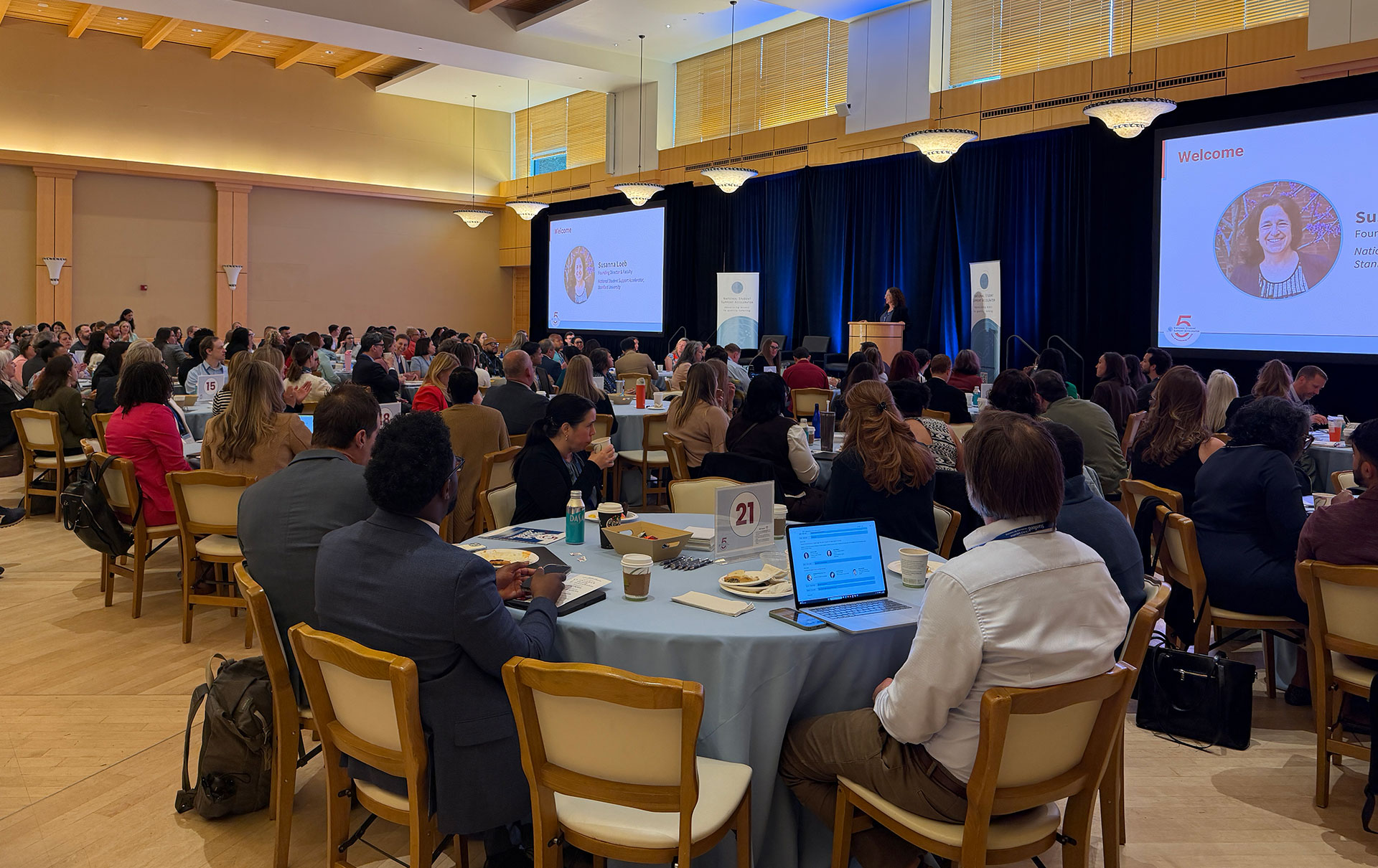
Five years ago, as the pandemic was lifting, a small gathering of educators, researchers, and advocates convened the first NSSA Conference in Providence, Rhode Island, around the promise of high-impact tutoring for students in need. At the 2026 NSSA Conference, more than 250 state and district leaders, researchers, tutoring providers, policymakers, and community partners came together to examine how the field has grown and what it will take to sustain and strengthen this work.
This year’s conference, Human Connections in a Digital Age: The Next Chapter for High-Impact Tutoring, included cutting-edge research, policy and practice sessions, and deep conversations about scaling intensive, relationship-based, individualized instruction. Across the day, research and practice confirmed that human relationships remain central to student learning. Attendees also explored how AI can support tutoring by surfacing student misconceptions, reducing operational burdens for coordinators and coaches, and helping administrators allocate resources more precisely.
Research sessions highlighted important progress on cost-effectiveness, implementation, virtual tutoring, and sustainability. Studies showed that lower-cost high-dosage tutoring models can generate more learning per dollar when matched to the right students; that virtual programs can be effective for older students when implemented well; and that districts embedding tutoring within MTSS and braided funding streams are better positioned to sustain programs.
Attendees also explored promising funding strategies, including work-study, AmeriCorps, apprenticeships, and the Education Freedom Tax Credit, which launches in January 2027. These conversations underscored the need for sustainable funding approaches that expand access to evidence-based tutoring for students who need it most.
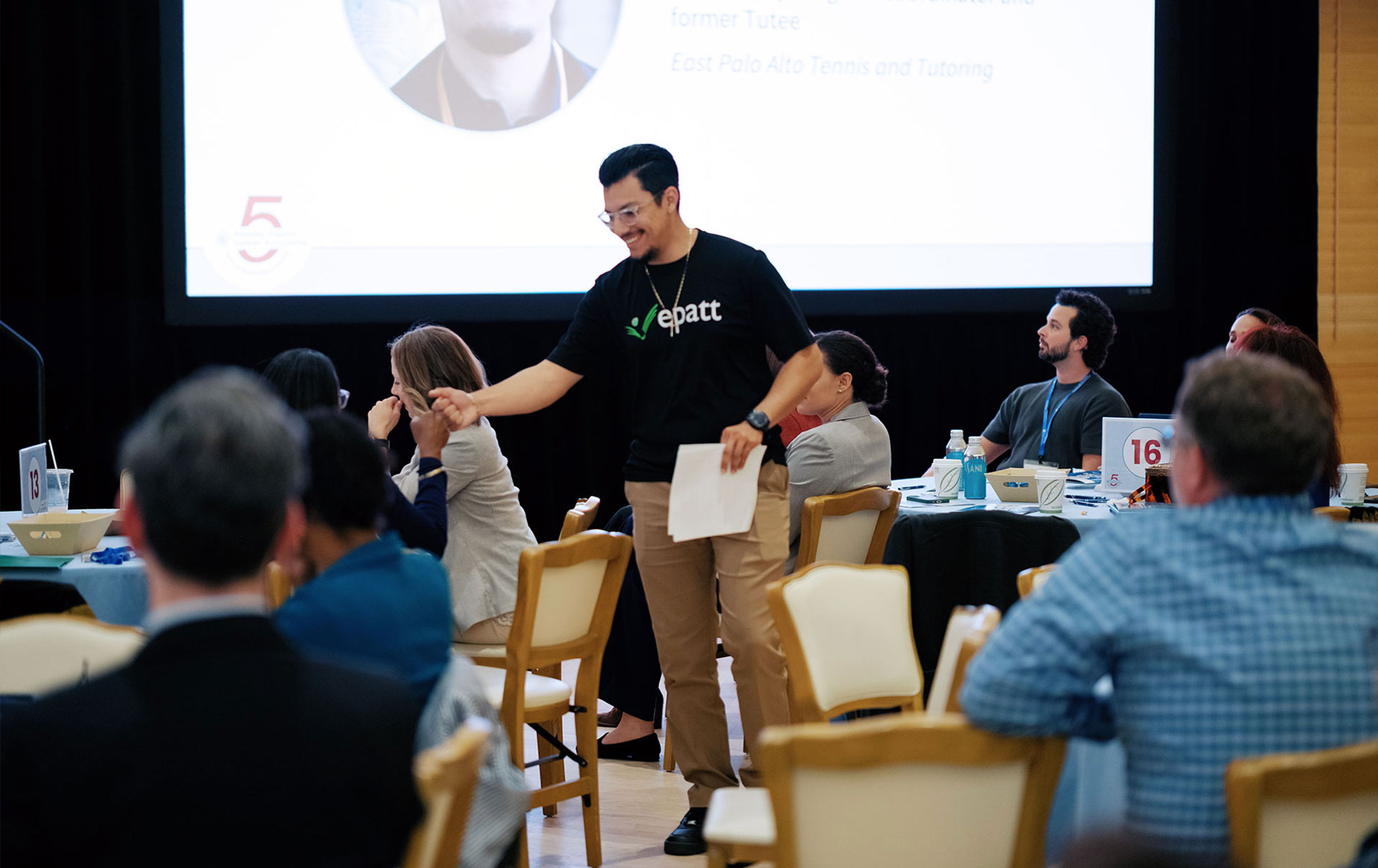
The day closed with remarks from Alexander Aldama, who entered the East Palo Alto Tennis and Tutoring Program as a struggling middle school student and is now a college graduate and the program’s Community Program Coordinator. His story reminded us what becomes possible when students have access to strong tutoring relationships and sustained support.
Themes & Next Steps
Overview of the Day: Challenges and Opportunities for the Next Chapter of High-Impact Tutoring
The conference brought together district and state leaders, researchers, tutoring providers, policymakers, and community advocates to examine what five years of evidence can teach us and what the field needs next. Sessions ranged from cost-effectiveness research to practitioner discussions on scheduling, multilingual learner support, AI design, sustainability, and federal policy.
Highlights from the day's key sessions include:
Opening Keynote: Building Tutoring at Scale. LAUSD Deputy Superintendent Dr. Karla Estrada and Nashville Superintendent Dr. Adrienne Battle shared candid reflections on building large-scale tutoring programs. They emphasized the importance of school-day integration, strong implementation, and adult relationships that support student success.
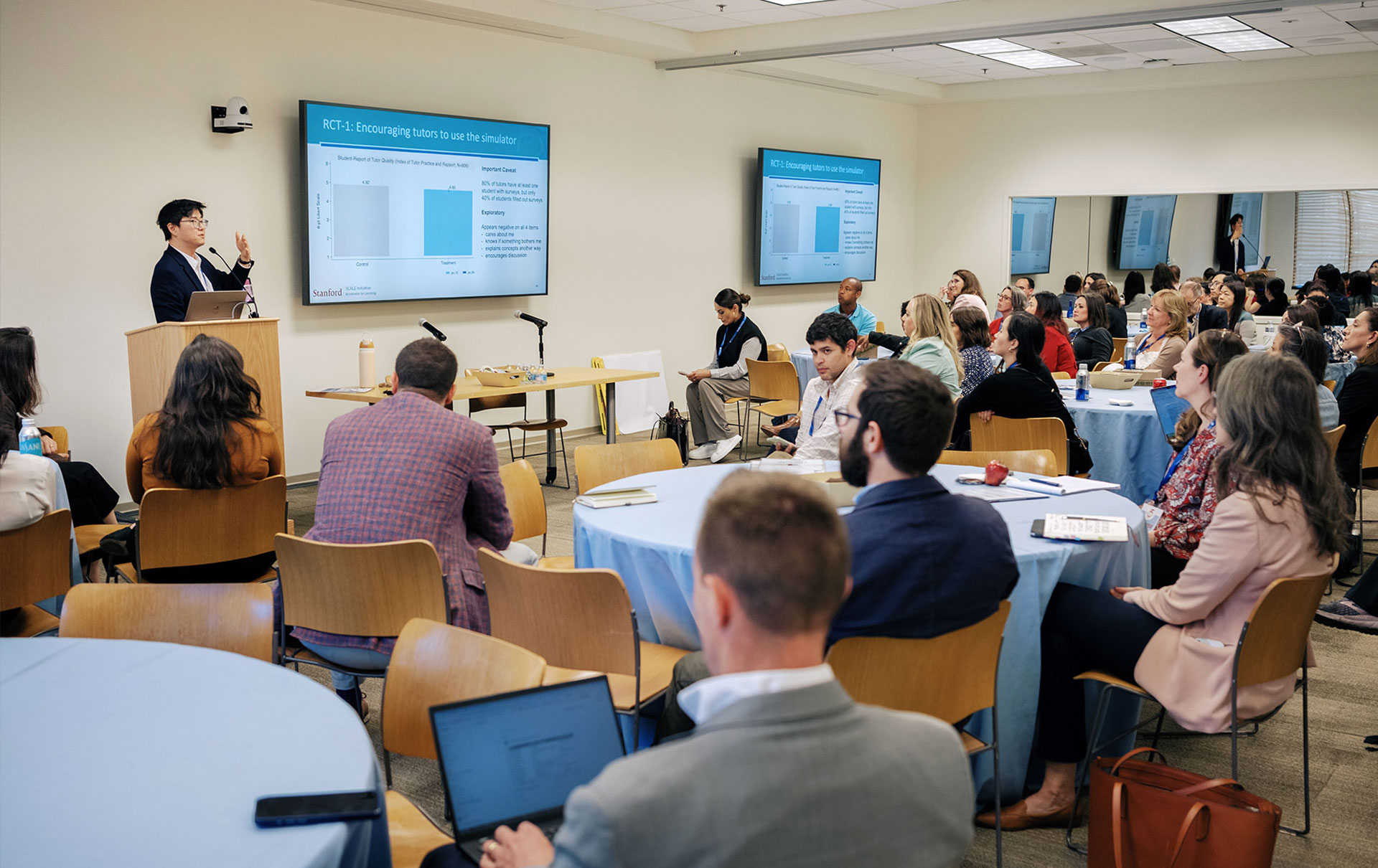
Research: Improving Cost-Effectiveness. Monica Bhatt’s Personalized Learning Initiative showed that per-pupil tutoring costs can be reduced while still improving student outcomes when programs are matched carefully to student needs. Nathan Storey introduced a practical cost-analysis tool districts can use to understand and strengthen the return on tutoring investments.
Louisiana: Statewide Scale and Implementation. Leaders from West Feliciana and Jefferson Parish described how state policy, district support, vendor selection, and ongoing data use helped Louisiana strengthen tutoring implementation. Their experience underscored that scale requires strong systems, regular monitoring, and programs that are well integrated into schools.
Tutoring Across Contexts. Research from Robin Jacob, Renata Lemos, and Hsiaolin Hsieh showed that tutoring can be effective across delivery models and settings, including virtual tutoring, international contexts, and MTSS-embedded programs. The shared lesson was that program design and implementation quality matter deeply.
Breakout Sessions: What Strong Implementation Requires. Practitioners from Miami-Dade, Portland, Raising A Village, Oakland Unified, and other communities shared practical lessons on dosage, scheduling, staffing, teacher buy-in, school partnerships, and MTSS alignment. Additional staffing strategies such as tutor residencies and apprenticeships were explored as promising approaches to a sustainable tutor pipeline and to expanding and diversifying the educator workforce. These sessions made clear that strong implementation depends on many coordinated decisions made consistently over time.
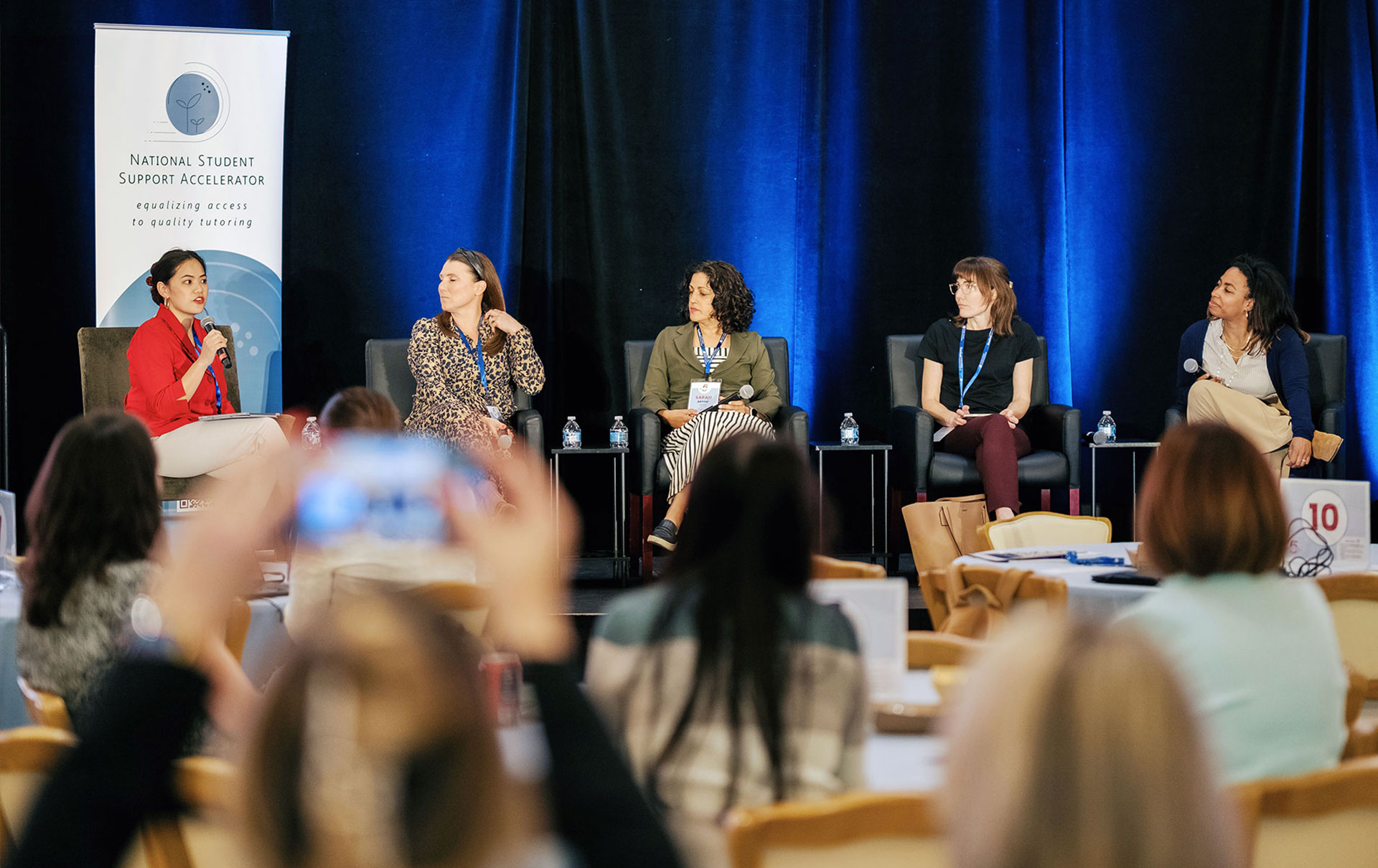
AI Design Demands Intentionality. The “Built for Learning” breakout explored how AI can support tutoring while keeping human relationships at the center. Panelists encouraged districts to ask vendors clear questions about the problems their tools solve, how they support productive student learning, and what kind of evidence or research partnership they can provide.
Federal Tax Credit Scholarships Create Opportunity and Risk. Participants explored the new federal scholarship tax credit program launching in January 2027. The discussion focused on how the field can help ensure that new funding opportunities expand access to evidence-based tutoring for students who need it most. (To learn more, join the Tutoring and the Education Freedom Tax Credit Working Group here.)
The Closing Plenary Named the Real Stakes. Jean-Claude Brizard and Linda Darling-Hammond emphasized that AI should support educators, tutors, and school systems by helping identify student needs, reduce administrative burdens, and strengthen instruction. The closing conversation reinforced a central theme of the conference: high-impact tutoring depends on human connection.
Key Themes
- The Field is Eager for Connection. Across the day, participants valued the opportunity to learn across roles, geographies, and perspectives. The conference reflected a field committed to sharing what is working, naming ongoing challenges, and continuing to improve together.
- High-Impact Tutoring is Working Across Contexts. Sessions focused on how to sustain, strengthen, and scale high-impact tutoring in a challenging funding environment. The evidence base continues to grow across delivery models, student populations, and implementation contexts.
- Human Connection is Central to Student Learning. Throughout the conference, research, practitioner experience, and student stories pointed to the same conclusion: tutoring works because of relationships. Student outcomes depend on trust, consistency, strong instruction, and adults who know students well.
- Implementation Drives Impact. Strong outcomes depend on the quality of implementation. Scheduling, teacher buy-in, data use, vendor relationships, coaching, and integration with school systems all shape whether students receive tutoring with the consistency and quality they need.
- Sustainable Funding Requires Systems Thinking. Post-ESSER, many districts are sustaining tutoring by embedding it within broader policy initiatives and MTSS, braiding funding streams, and building in-house or hybrid models. Emerging opportunities, including the federal tax credit scholarship program, will require active engagement from the field.
- Cost-Effectiveness Is Improving with Better Targeting. Research and practice are building a more precise understanding of how to deliver effective tutoring at lower cost. Using student-level data to match programs to student needs can help districts generate more learning from the same budget.
- Equity Requires Intentional Design. Expanding high-impact tutoring to multilingual learners, students with IEPs, students in rural communities, and other students who have historically had less access requires intentional choices at every stage. Scheduling, provider selection, staffing, technology, and funding decisions all shape who benefits.
Next Steps
- Continue Learning and Adapting. High-impact tutoring is increasingly recognized as a powerful approach to student learning acceleration, but many students who could benefit still do not have access. The field needs continued collaboration, research, and shared learning to expand access and improve quality.
- Embed Tutoring into Broader Policy Efforts and MTSS. Tutoring is more coherent, cost-effective, and sustainable when it is aligned with broader student achievement goals and integrated into school systems. Embedding tutoring within MTSS and Tier 1 instruction can help make it a lasting part of how schools support students.
- Continue Research. Ongoing research will sharpen our understanding of what works, for whom, under what conditions, and at what cost. It will also help identify where AI can support learning while preserving the human relationships at the center of tutoring.
- Develop Sustainable Funding Approaches. Funding for high-impact tutoring continues to be challenging. New opportunities, such as tutor apprenticeships and the Education Freedom Tax Credit, along with underutilized sources such as federal work-study, can help create more sustainable funding.
Keep Pushing Forward
"The bar for quality in tutoring has been raised, and our shared work is to support the people in our schools who make that quality possible." — Susanna Loeb, NSSA Executive Director
The 2026 NSSA Conference reinforced both how much progress the field has made and how much work remains. Too many students still lack access to intensive, relationship-based, individualized support. Expanding that access will require continued research, stronger systems, sustainable funding, and deep investment in the people who make high-impact tutoring possible. We are grateful to everyone helping build this next chapter together.